Compare Local Contractors for Quality Furniture Reupholstering Services
Compare local contractors for furniture reupholstering to define project scope, verify experience, and set clear expectations before hiring.
Furniture reupholstering services typically encompass a range of work aimed at restoring and updating upholstered furniture pieces. This can include replacing worn or damaged fabric, padding, and springs, as well as refinishing frames and adding new cushioning for comfort. Contractors may also offer custom fabric selection and design adjustments to match existing decor or personal style preferences. Understanding the scope of these services helps property owners clarify what tasks are involved and ensures that the work aligns with their specific needs, whether that involves restoring an antique armchair or updating a sofa for a fresh look.
Defining the scope of furniture reupholstering projects is essential for setting clear expectations and avoiding misunderstandings. Property owners should work with contractors to specify details such as the type of furniture, the extent of repairs needed, fabric choices, and any additional customization. Having these details documented in writing provides a reference point throughout the process, helping to ensure that both parties are aligned on the work to be performed. A well-defined scope also facilitates effective communication and helps prevent scope creep, which can lead to delays or unmet expectations.
When comparing local contractors for furniture reupholstering, property owners can evaluate experience, reputation, and the range of services offered. It’s helpful to review portfolios or request references to gauge the quality of previous work. Asking about each contractor’s familiarity with different furniture styles and materials can also inform decision-making. Additionally, verifying that service providers understand the specific scope of the project and are willing to provide detailed, written estimates can streamline the selection process. By considering these factors, property owners can connect with experienced contractors who are equipped to handle their furniture reupholstering needs effectively.
Compare local contractors by outlining your project priorities, verifying experience, and setting clear written expectations.
- Verify Experience - Ensure contractors have a proven track record in furniture reupholstering projects.
- Define Scope Clearly - Communicate specific furniture pieces and materials to set accurate project expectations.
- Compare Local Contractors - Review credentials and service offerings to identify suitable professionals for the job.
- Document Agreements - Keep all project details, scope, and responsibilities in writing to avoid misunderstandings.

Clearly describe your furniture reupholstering project to effectively compare local contractors, verify experience, and set expectations in writing.
- Verify experience in furniture reupholstering to ensure contractors have relevant skills. - Look for service providers with a proven track record handling similar furniture pieces and fabrics.
- Define the scope of work clearly in writing to set accurate expectations for the reupholstering project. - Ensure details such as fabric selection, repair needs, and finishing are documented and agreed upon.
- Compare multiple local contractors to evaluate their expertise, reputation, and available services. - Consider reviews, reviews, and portfolios to assess their quality of work.
- Ask service providers about their process for stripping, repairing, and finishing furniture to understand their approach. - Clarify how they handle damaged frames, padding, or intricate details during reupholstering.
- Check if contractors provide detailed written estimates that outline the work scope and materials involved. - Review these documents carefully to avoid misunderstandings later.
- Ensure that service providers are transparent about their experience and willing to discuss their methods and materials used. - This helps in making an informed decision based on their professionalism and expertise.
Compare local contractors' experience and clarify scope to ensure a smooth furniture reupholstering project.



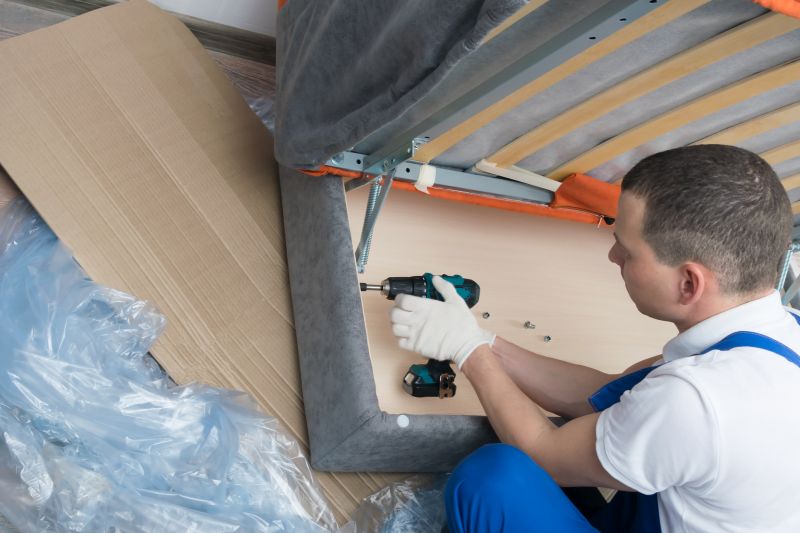
Learn how to compare and define the scope of furniture reupholstering projects consistently across local contractors.
- Project Scope - Clearly define the furniture pieces to be reupholstered and any specific design preferences.
- Material Selection - Specify the types of fabrics, padding, and other materials to be used in the reupholstering process.
- Experience Verification - Confirm that local contractors have relevant experience with furniture reupholstering projects similar in scope.
- Work Details - Outline the tasks involved, including stripping, padding replacement, and fabric application, to ensure all aspects are covered.
- Written Agreement - Ensure that the scope, materials, and expectations are documented in a contract or written communication before work begins.
When comparing contractors for furniture reupholstering, it’s important to consider their experience with similar projects. Homeowners should inquire about the types of furniture the service providers have worked on and whether they have handled pieces comparable to their own. Contractors with a history of successful reupholstering for items like sofas, chairs, or custom pieces can be more likely to meet expectations. Reviewing a contractor’s portfolio or asking for references related to similar projects can provide insight into their expertise and familiarity with different furniture styles and materials.
A clear, written scope of work is essential when evaluating furniture reupholstering contractors. Homeowners should seek detailed descriptions of what the project will include, such as the removal of old fabric, repair or replacement of padding, and the type of fabric or material to be used. A comprehensive scope helps prevent misunderstandings and ensures that both parties have aligned expectations. Service providers who can articulate their process and outline specific responsibilities in writing are often more transparent and better equipped to deliver consistent results.
Verification basics are a key part of assessing potential contractors. Homeowners should verify that the service providers have a solid track record of completing similar projects successfully. This can involve checking references, reviewing past work, or asking about the contractor’s experience with specific furniture types and fabrics. It’s also helpful to confirm that the contractor has the necessary tools and resources to handle the scope of the project. Verifying these details can help ensure that the chosen professional has the capability to meet project requirements reliably.
Evaluating options without focusing on prices involves examining the quality and consistency of the service providers’ offerings. Homeowners should compare the clarity of scope, experience, and communication style among different contractors. Asking detailed questions about their process, materials, and timeline expectations-without emphasizing cost-can reveal how well each service provider understands the project and how they approach their work. This approach helps identify professionals who are committed to quality and transparency, making it easier to select a contractor that aligns with the homeowner’s project needs.
Ask contractors to provide written descriptions of the scope, materials, and services to ensure clear, consistent expectations.
- Experience and Portfolio - What types of furniture have the contractors reupholstered, and can they provide examples of their previous work?
- Scope of Services - How do the contractors define the scope of reupholstering projects to ensure all desired work is included?
- Materials and Techniques - What materials and reupholstering techniques do the contractors typically use, and how do they match client preferences?
- Communication and Clarification - How do contractors clarify project details and expectations in writing before starting the work?
- Comparison Criteria - What specific factors should be considered when comparing different local contractors for furniture reupholstering?
How can I compare furniture reupholstering contractors? To compare local contractors, review their experience, past work, and customer feedback, and ensure they provide clear written estimates outlining the scope of work and materials involved.
What should I consider when defining the scope of my reupholstering project? Clearly specify which furniture pieces need reupholstering, preferred fabrics, and any additional services such as repairs or padding to help contractors understand your expectations.
How can I verify a contractor’s experience with furniture reupholstering? Ask for examples of previous projects or references, and review their portfolio or online presence to assess their expertise and the quality of their work.
Why is it important to have the project details in writing? Having the scope, materials, and expectations documented helps prevent misunderstandings and provides a clear basis for the project’s completion and any potential adjustments.
What questions should I ask a contractor before hiring for reupholstering? Inquire about their experience, the process they follow, the types of furniture they handle, and how they handle any unexpected issues or changes during the project.
How do I ensure the contractor understands my design preferences? Communicate your desired fabric, style, and any specific details in writing, and consider providing reference images to align expectations clearly.
This page provided an overview of how to find and compare contractors who specialize in furniture reupholstering. Visitors learned the importance of clearly defining the scope of work, verifying the experience of service providers, and setting expectations in writing to ensure a smooth process. By exploring these steps, individuals can make more informed decisions when selecting a contractor for their furniture projects.
To proceed, using the quote form can help compare options among local service providers who handle furniture reupholstering. This approach makes it easier to identify professionals capable of meeting specific needs while allowing for straightforward communication and clarification of project details. Connecting with trusted local contractors through this method supports a well-organized and transparent process.